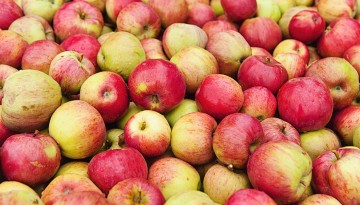
Unveiling a new economic impact analysis model, a Cornell team found the state’s apple industry has a 21 percent larger economic impact than traditional models suggest.
By studying the mechanics needed for tiny one-millimeter copepods to jump out of water, scientists could build robots that use similar jumping techniques for practical purposes.
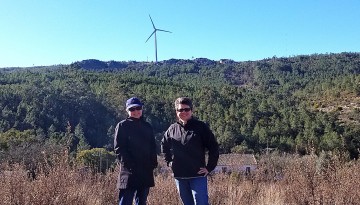
A network of academics from around the United States – including two Cornell wind energy experts – are proposing an 'energy-water corridor' along the U.S.-Mexico border.
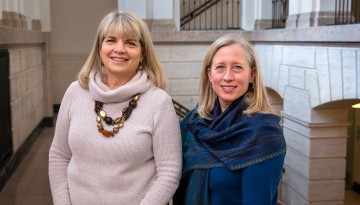
The Bank of America Institute for Women’s Entrepreneurship at Cornell offers a free, 12-week online business certificate program, which gives entrepreneurs the skills, knowledge and resources to build their own businesses.
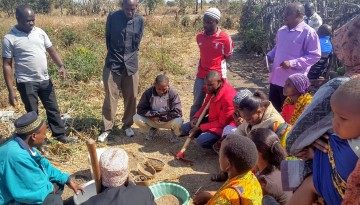
Smallholder farmers in sub-Saharan Africa are engaging in sustainable and equitable agricultural development through an innovative curriculum that puts them front and center.
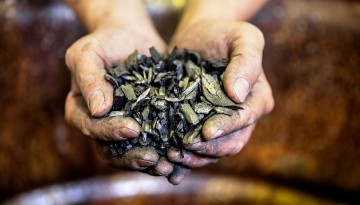
A Cornell-led study supported by the Atkinson Center for a Sustainable Future shows that biochar has great potential as a fertilizer because of its ability to soak up nitrogen, and its method for doing so.
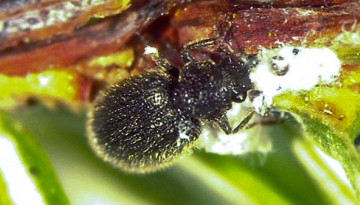
Mark Whitmore, extension associate in the College of Agriculture and Life Sciences, briefed congressional staffers on an invasive species threatening hemlock trees and ways to combat it.
Tom Cade, Cornell emeritus professor of zoology, who as an environmental champion worked tirelessly and successfully to save peregrine falcons from extinction, died Feb. 6 in Boise, Idaho. He was 91.
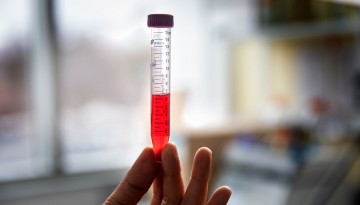
Cornell food scientists hunting for a stable, natural red food coloring to replace artificial dyes have unlocked a secret: Use beet extract and pair it with a starchy partner.