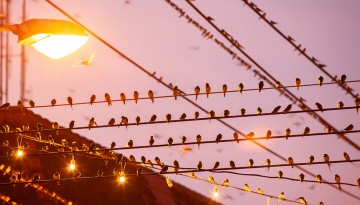
An estimated 600 million birds die from building collisions every year in the U.S., and research from the Cornell Lab of Ornithology offers one explanation for it: a combination of light pollution and geography.
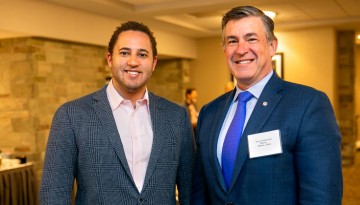
The fourth annual Cornell University Regional Town-Gown Conference, held March 26, focused on the logistics and challenges of transportation, or getting people and things where they need to go.
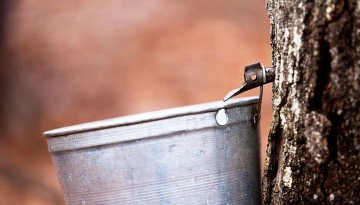
Cornell Cooperative Extension Lewis County Executive Director Michele Ledoux joins the “Extension Out Loud” podcast for an episode on all things maple.
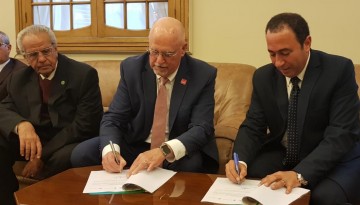
The U.S. Agency for International Development has launched a five-year, $30 million project between Cornell and Cairo University to create a Center of Excellence in Agriculture in Egypt.
Graduate student Teddy Yesudasan’s presentation, “What Makes a Red Potato Red?” earned him first place and $1,500 in the fifth annual Three Minute Thesis contest, March 20 in Call Auditorium.
The university has created the Cornell Center for Social Sciences, and a faculty implementation committee will make recommendations for the creation of an organizational structure integrating public policy areas and the creation of “superdepartments.”
Ascribe Bioscience has become the first company based on technology developed at the Boyce Thompson Institute to receive a National Science Foundation Small Business Innovation Research grant.
A team from Cornell has partnered with Alfred State College and the National Agency for Science and Engineering Infrastructure in Nigeria to help bring solar power to that African nation.