One hundred Cornell graduate students have been awarded travel grants from the Mario Einaudi Center for International Studies for the 2018-1019 academic year.
Seven New York state businesses have been awarded funding to participate in the Cornell Center for Materials Research JumpStart Program, through which they will collaborate with Cornell faculty members to develop and improve their products.
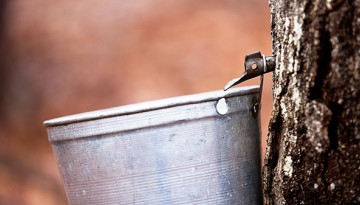
In spite of 2018 being the fifth warmest February in New York state’s recorded history, March has been unseasonably cool, which has stalled the state’s maple syrup production.
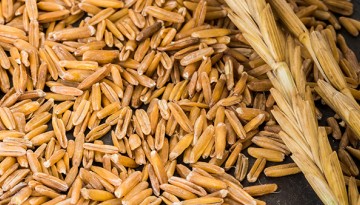
While most industrial grain crops are annuals that must be replanted every year, a new perennial grain called Kernza has hit the markets with growing interest from restaurants, bakeries and brewers.
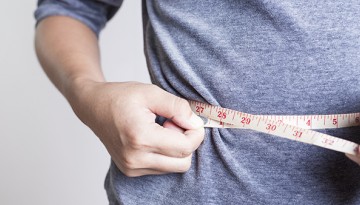
Cornell food scientists have discovered that when mice are fed a high-fat diet and become obese, they lose nearly 25 percent of their tongue’s taste buds – possibly encouraging them to eat more food.
Upending the conventional thinking in climate change communication, Jonathon Schuldt finds when people say faraway climate impacts feel geographically nearby, they don’t necessarily support policies that would stop them.