April is Sustainability Month at Cornell, and the campus will bloom with exhibits, lectures, a bike rally, a fun run, environmental fashion and learning how to keep this blue planet green.
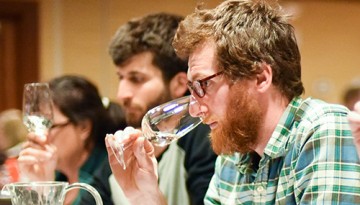
Cornell Cooperative Extension offers northern New York wineries a helping hand with the agriculture, viticulture and commercial challenges of growing grapes in a rugged climate.
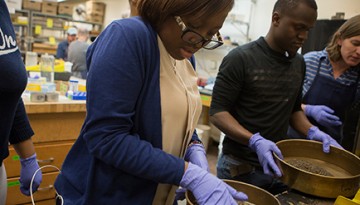
More than 50 high school students from across the state visited Cornell March 31-April 1 for the New York Youth Institute, the state-level World Food Prize youth program engaging students with issues related to agriculture and food security.
A survey of more than 200 New York farmers late last summer found that more than 70 percent of unirrigated, rain-fed field crops and pasture acreage had losses between 30 and 90 percent, said a new Cornell report.
Insects that cannibalize often do so to boost their nutrition, but a new study of Colorado potato beetles suggests another reason for the behavior: to lay low from predators.
After traveling through Vietnam's Mekong Delta in January, examining climate change through the lens of another country, four Cornell students toured the halls of Congress in late March to tell all about it.
For decades, scientists have known that unhealthy surroundings induce human illness. Now, research suggests that communities of very sick people may damage the environment, according to a new study in PNAS, April 3.
Self-employed women working in digital creative industries, such as blogging or marketing, feel compelled to conduct business online in a traditionally feminine way, said Brooke Duffy, assistant professor of communication.