The Polson Institute for Global Development announced its new Spring 2023 grants to support research at the intersection of Global Development’s signature strengths in wellbeing and inclusion; environmental sustainability; and food and nutritional security.
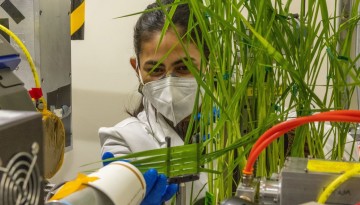
The Cornell High Energy Synchrotron Source (CHESS) is set to host the Pan American Light Sources for Agriculture conference (PALSA) July 11-14. Registration is still open.
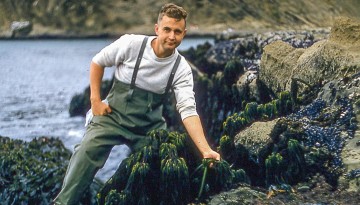
John Kingsbury, professor emeritus of botany, who developed a small island in the Gulf of Maine into an living classroom for students eager to learn about the sea, died May 27 in Vermont.
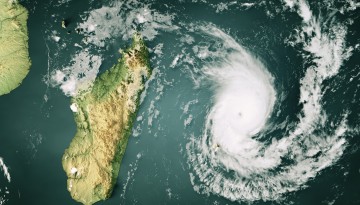
As world governments prepare the first-ever Global Stocktake, assessing whether they are living up to climate targets, Cornellians’ research is playing a critical role.
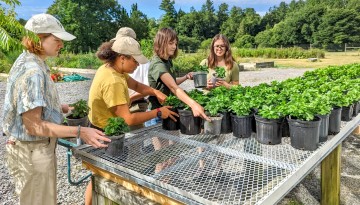
Cornell Botanic Gardens’ Learning by Leading program is an engaged learning initiative launched in 2021 to support a new generation of environmental leaders.
The smallest and shallowest bodies of water exhibit the greatest variability of greenhouse gas emissions over time, according to a paper that could help improve the accuracy of climate models.
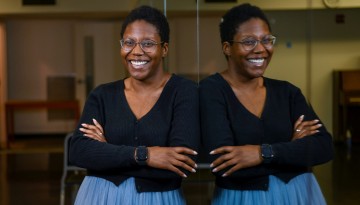
On June 2, the Ithaca theater organization Civic Ensemble will premiere “Fertile Grounds,” a community-based play that invites the audience onto a fictional farming cooperative involving people of color to explore the relationship of grief, community and wellness.
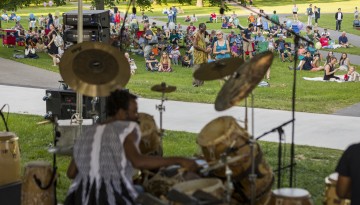
The 2023 Free Summer Events Series at Cornell will offer a fresh mix of entertainment and education open to the public. Presented by the School of Continuing Education (SCE), the events take place at 7 p.m. on select Wednesdays and Fridays, July 7 through July 28.
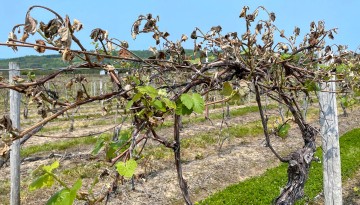
Following a mid-May freeze, two Cornell viticulture experts are advising grape growers in New York on how to rescue their season, as vineyards now face a reduced crop and economic loss.