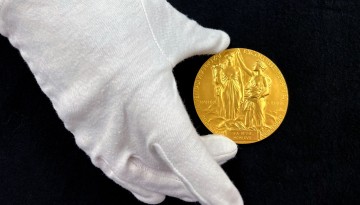
The family of Hans Bethe recently donated his Nobel Prize medal, earned for his theory on the energy production of stars, to the archives of Cornell University Library. The medal now holds a special place among the physicist's papers from his 60-year teaching career at Cornell.
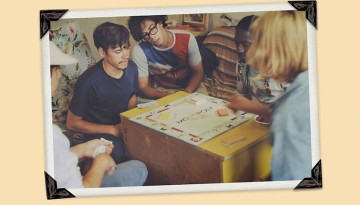
The intimacy of domestic space was a crucial aspect of LGBTQ life in the postwar era, according to historian Stephen Vider, who explores that history in his new book, “The Queerness of Home: Gender, Sexuality, and the Politics of Domesticity after World War II.”
The threat of demographic change may alter who white Americans perceive as racial minorities, potentially making more people vulnerable to discrimination, suggests new Cornell psychology research.
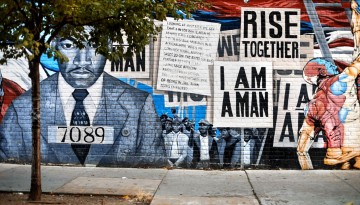
An interdisciplinary seminar in the fall semester took students from Ithaca to New York City to explore African American heritage sites and the people whose work keeps this history alive.
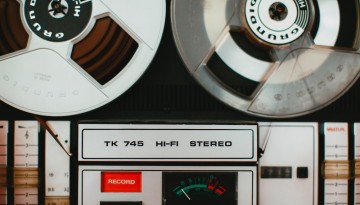
Two recent papers by Owen Marshall uncover the technological practices that brought human speech and insect feeding behavior under electro-acoustic control in the mid-20th century.
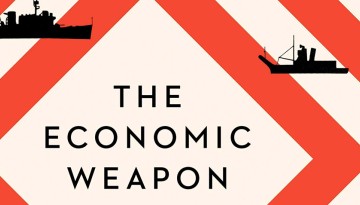
Economic sanctions have long been considered a nonviolent deterrent, but ironically they have become a tool of modern warfare, according to a new book by Nicholas Mulder, assistant professor of history.
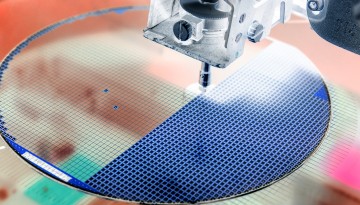
With a little twist and the turn of a voltage knob, Cornell researchers have shown that a single material system can toggle between two of the wildest states in condensed matter physics.
From teaching food science at the Ithaca Farmers Market to researching how youth feel about their race and ethnicity, this year’s Engaged Faculty Fellows are demonstrating the range of work that’s possible through community-engaged learning and research. The 2021-22 cohorts include 15 faculty from eight Cornell schools and colleges.