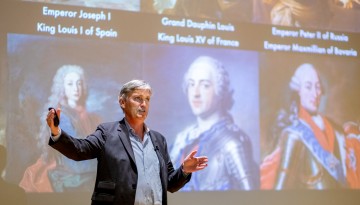
The collaborative nature of innovation was one of the key messages author Steven Johnson delivered during a campus visit Sept. 22, as a guest of the Milstein Program in Technology & Humanity.
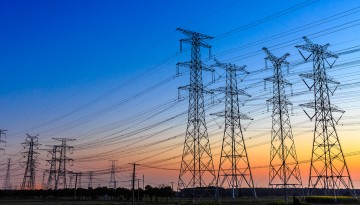
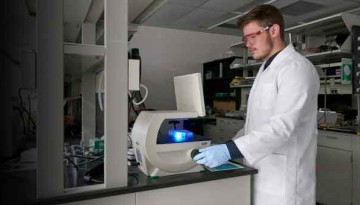
Fumbling to find flashlights during blackouts soon may be a memory, as quantum computing and AI may quickly solve an electric grid’s hiccups so fast, humans may not notice.
Cornell is one of only seven institutions across the U.S. that will receive a funding award from the National Institutes of Health through a program aimed at increasing minority faculty in the biomedical sciences.
From quantifying climate vulnerability in Haiti to documenting the ecological calendars of Indigenous and rural communities, Cornell student projects aim to reduce climate impacts around the world.
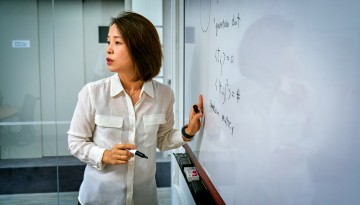
Physicist Eun-Ah Kim is leading the way toward applications of quantum mechanics, including the discovery of new quantum materials and the development of quantum computing.
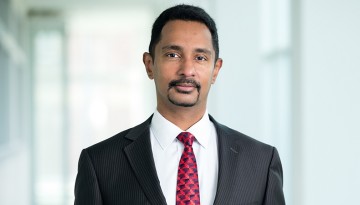
Astronomer Ray Jayawardhana, the Harold Tanner Dean of Arts and Sciences, is featured in the new PBS NOVA/BBC documentary on neutrinos, “Particles Unknown,” airing Oct. 6.
Regional knowledge economies such as Silicon Valley and New York City are one of several areas of research for the Center for the Study of Economy and Society's Economic Sociology Lab, supported by graduate researchers and undergraduate assistants.
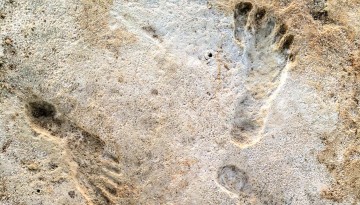
Footprints found at White Sands National Park in New Mexico provide the earliest unequivocal evidence of human activity in the Americas and offer insight into life over 23,000 years ago.
Despite the pandemic, Cornell students successfully navigated the process of applying to medical and law schools and are headed to some of the country’s top professional schools this fall.