The work aims to understand how stem cells function to fuel normal tissue maintenance and to repair injuries in actively regenerative tissues, such as skin.
Researchers tracked the brain’s dopamine reward system and found – for the first time – this system flexibly retunes toward the most important goal when faced with multiple competing needs.
For her breadth of scholarship on racism and bias, Jamila Michener has been named the inaugural director of the university’s new center aimed at developing just and equitable public policy.
Lecturer Barbara Meyer has "made exciting discoveries regarding how disruptions in proper gene expression can have dramatic consequences in organism development and health as well as impact aging and lifespan.”
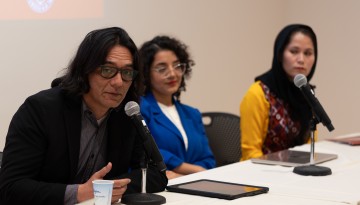
An event featuring threatened artists from Nicaragua and Afghanistan kicks off Global Cornell’s contribution to this year’s campuswide theme, “The Indispensable Condition: Freedom of Expression at Cornell.”
N. K. Jemisin, award-winning fantasy author and critic, will give the Bartels World Affairs Lecture on Wednesday, October 4, at 5:30 p.m. in the Rhodes-Rawlings Auditorium.
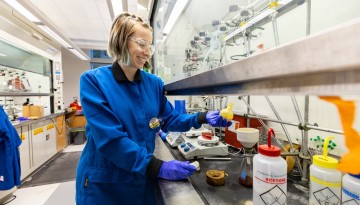
Alexa Easley is working to develop materials for low-energy carbon capture that are organic and easy to make on large scales and in realistic conditions.
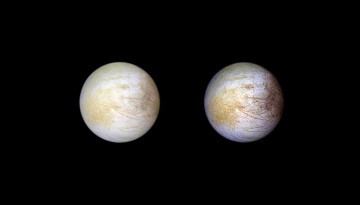
Astronomers using data from NASA’s James Webb Space Telescope have identified CO2 on the icy surface of Jupiter’s moon Europa – one of a handful of worlds in our solar system that could potentially harbor conditions suitable for life.