The book, “13 Leaders: Stories of Community Building for Systemic Change,” published by Cornell students, honors the journeys and life’s work of 13 Cornell Civic Leader Fellows.
The fellowship is one-year program open to Cornell University graduate and undergraduate students designed to accelerate career and executive-leadership advancement in sustainability-related fields.
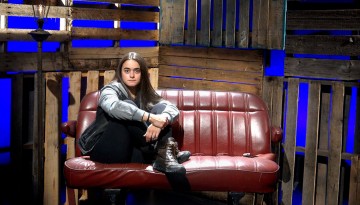
Participants in a new class – designed to bring together formerly incarcerated and traditional Cornell students – have written, workshopped and performed an ensemble theatrical piece that will premiere online May 16.
The College of Human Ecology on May 1 held its fourth annual HumEcathon, a hackathon-style design challenge bringing together 27 undergraduates to work in multidisciplinary teams on diversity, equity and inclusion initiatives on campus.
The search for answers to some difficult questions planted the seeds for developmental psychologist Anthony Ong’s latest course, the three-credit “Positive Psychology: Inside Prison (and Out).”
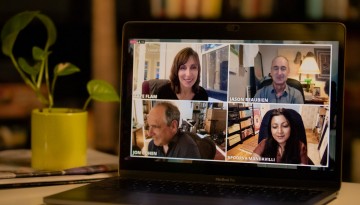
From flame wars on twitter to sleepless nights, four of the country’s leading science journalists spoke of the challenges they’ve faced covering the COVID-19 pandemic during an April 28 event hosted by the College of Arts & Sciences.
More than 30 students who have conducted research will present their work in a virtual conference May 6-7. One panel investigates the ideas of Goldwin Smith, while other presentations focus on migrant workers in Singapore, political violence in Africa and other topics.
In his new book “Iberian Moorings,” professor Ross Brann compares the histories of the Jewish and Muslim traditions in the Iberian Peninsula between the tenth and thirteenth centuries, tracing how Islamic al-Andalus and Jewish Sefarad were invested with special political, cultural and historical significance across the Middle Ages.