Researchers have developed a model that identifies prime farmland, habitats critical for biodiversity and areas suitable for solar development in New York, to help communities minimize land-use conflicts when making solar siting decisions.
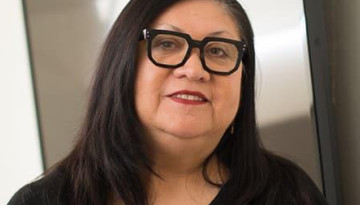
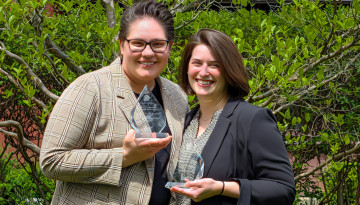
A citizen of the Skarù·ręʔ / Tuscarora Nation (Hodinöhsö:ni Confederacy), Joline K. Rickard is honored for work that has had a profound impact on contemporary Indigenous art and scholarship.
J. Nathan Matias, assistant professor of communication, is a co-author of “Auditing AI,” which offers AI users from all walks of life an introduction into AI evaluation, which is key for developing trust in the technology.
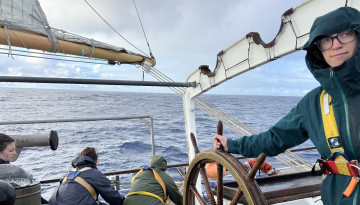
Every year, around 2,000 Cornell students say a temporary goodbye to their lives in Ithaca – in pursuit of international experiences outside their comfort zone. Their time studying abroad gave graduating seniors Kevin Chang and Ana Hoffman Sole knowledge of new places, new skills and rich new communities. Now they’re looking ahead to career paths that build on what they learned.
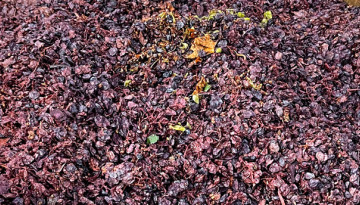
A new study finds that grape pomace – the skins, seeds and stems left over from winemaking – may match the growth-promoting effects of antibiotic additives in broiler chickens, without the public health risks.
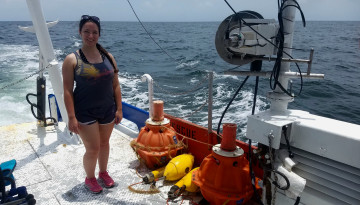
New York Sea Grant is looking for graduate students to apply for Sea Grant’s John A. Knauss Marine Policy Fellowship, a nationwide program that provides year-long unique opportunities to work in Washington, D.C. executive and legislative offices where they contribute to real-world marine policy work.