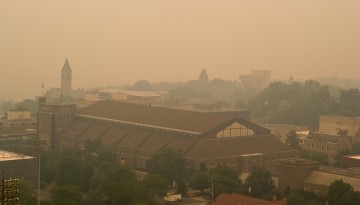
When wildfires draped smoke over New York this summer, nearly half of its counties lacked data on air quality. Cornell has led an effort to install sensors in places where there were none.
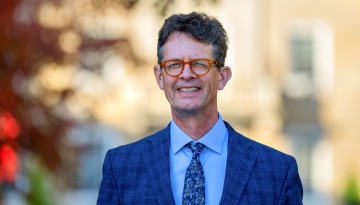
Andrew Turner ’88, M.P.S. ’93, has been appointed director of Cornell Cooperative Extension (CCE) and associate dean for the College of Agriculture and Life Sciences (CALS) and the College of Human Ecology (CHE).
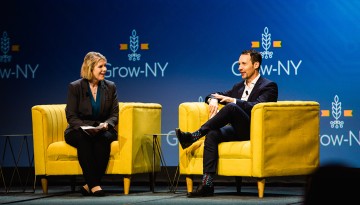
The fifth annual Grow-NY Summit will convene food and ag startups and industry players Nov. 14-15 at the Holiday Inn Binghamton Downtown, spotlighting the innovative technologies being developed locally and their impact that spans beyond the region.
Retired Cornell educators have until Nov. 6 to submit applications for the 2024 Podell Endowment Awards, which support projects that aim to make the world a better place.
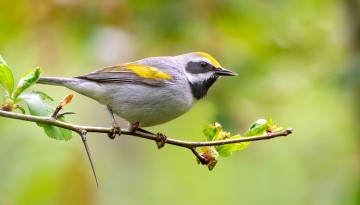
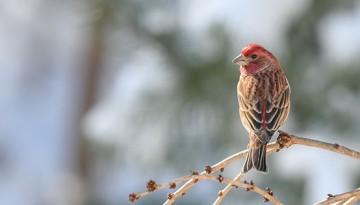
For the 37th season of Project FeederWatch you can report more than birds. For the first time, data about mammals seen, sick birds, and your thoughts about supplemental feeding can also be entered.
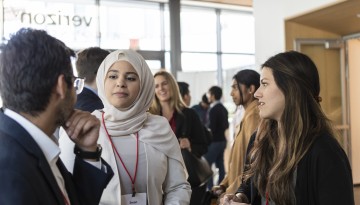
Entrepreneurs will gather to hear fireside chats with top business leaders, enjoy multiple networking and engagement opportunities and hear startup pitches at Entrepreneurship at Cornell’s Eclectic Convergence 2023.
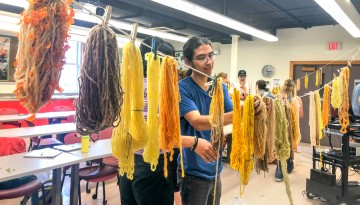
For Cornell students studying environmental science, creating art with naturally dyed yarn, soil paintings to depict climate change and woodcuts featuring poetry brought ecology into focus.