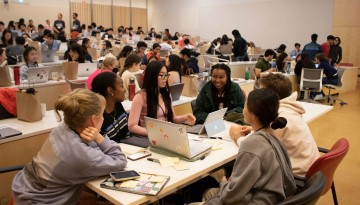
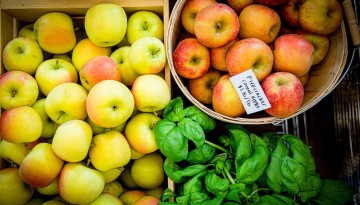
Students were tasked with addressing one of four challenges: creating new dairy products, coming up with more efficient food manufacturing processes, lessening the problem of food waste or creating products to increase knowledge and the use of honey and other bee-pollinated products.
Research on the role of hope in community work, online support groups and moderating online communities received awards at the 2023 Conference on Computer-Supported Cooperative Work And Social Computing.
A new paper shows that promised yield increases at a global scale from increasing organic carbon in soils would be negligible with current technologies and optimal management practices.
Cornell researchers are partnering on the newly announced Feed the Future Climate Resilient Cereals Innovation Lab (CRCIL), providing plant breeding expertise and powerful computational tools to increase the accessibility of cereal crops for those most vulnerable to hunger and malnutrition.
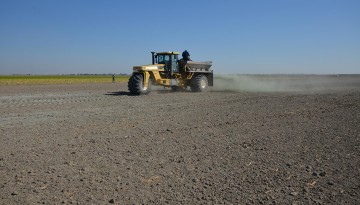
Adding crushed volcanic rock to cropland could play a key role in removing carbon from the air. In a field study, scientists at the University of California, Davis, and Cornell University found the technology stored carbon in the soil even during an extreme drought in California.
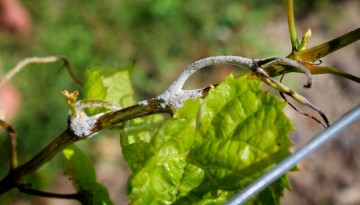
Researchers at Cornell have discovered a new grape downy mildew resistance gene – giving the wine and grape industry a powerful new tool to combat this devastating disease.
Researchers from the Charles H. Dyson School of Applied Economics and Management have developed a new method for measuring food insecurity, which for millions of people in the U.S. is more than just an abstract concept.
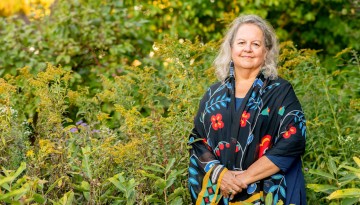
Ecologist, MacArthur “genius grant” winner and bestselling author Robin Wall Kimmerer, who has written about Indigenous people’s relationship with the land, will visit campus on Nov. 1