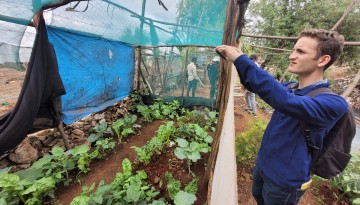
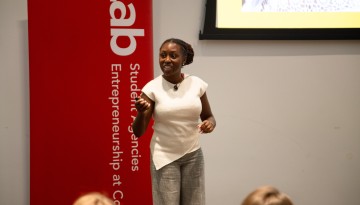
Five undergraduate students from across the country came to Cornell for a summer research experience with the Center for Research on Programmable Plant Systems (CROPPS).
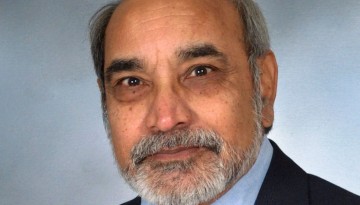
M.A. “Andy” Rao, known as one of the top food scientists in the U.S. and the world during a distinguished career that included more than three decades at Cornell AgriTech, died in July 2022 in Leesburg, Va. He was 85.
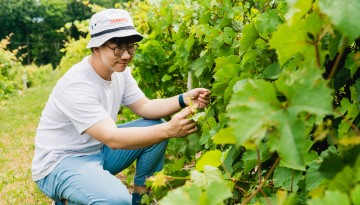
The Bruce Reisch 1976 Graduate Fellowship in Grapevine Improvement, funded by an anonymous donor, is helping horticulture doctoral candidate Hongrui Wang to safeguard the future of grape growing in New York state.
The Laidlaw Leadership and Research Program at Cornell develops students into ethical leaders and global citizens. The program, hosted by the Mario Einaudi Center for International Studies, strengthens students’ research and leadership skills over two years through work on international research projects, leadership training, participation in hands-on learning experiences, and global networking.
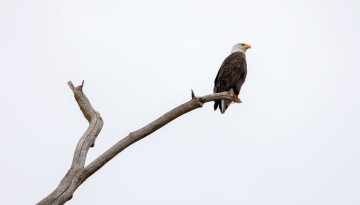
New York state agencies are encouraging hunters to choose non-lead ammunition to benefit both wild animals and humans, with help from Cornell communication and wildlife experts.