The Lab of Ornithology’s visitor center will close for 10 months beginning Aug. 1 for a multimillion-dollar redesign that will add new hands-on exhibits and visitor offerings.
In a new book, landscape architect Martin Hogue investigates the history and evolution of recreational camping through the lens of its most important and familiar components.
The Humphrey PACT Program promotes research collaboration between undergraduates and Hubert H. Humphrey Fellows, midcareer professionals specialized in agriculture, rural development and natural resource management, who spend one year at Cornell for professional development.
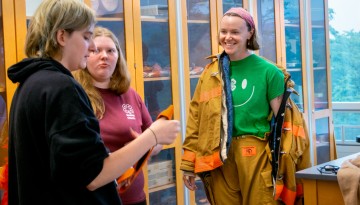
The annual 4-H Career Explorations Conference – where 4-H members attend courses designed by various Cornell units and experience living on a college campus – welcomed nearly 250 young people from across New York state to Cornell June 27-29.
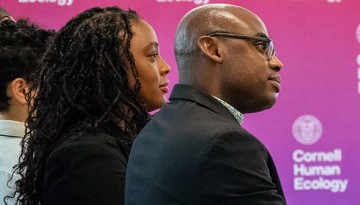
Faculty in Cornell’s Action Research Collaborative (ARC) joined New York City and State policymakers and community members for ARC’s second symposium on June 22. The annual symposium is an opportunity for researchers, policymakers and community stakeholders to share their knowledge and advance equity in areas like nutrition and health, housing and social services, and youth development.
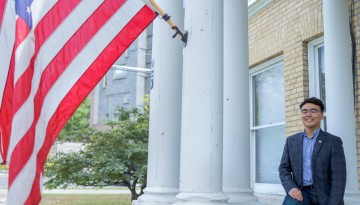
Andy Shin ’23, M.P.A. ’25, gained citizenship in November after 12 years in the U.S.; he'll celebrate his first Independence Day as a citizen with fellow student veterans.
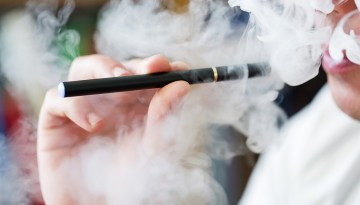
In a study involving 16 focus groups, a multidisciplinary research team found that uncertain and vague language on the warning labels of electronic cigarettes was confusing and reduced risk perceptions.