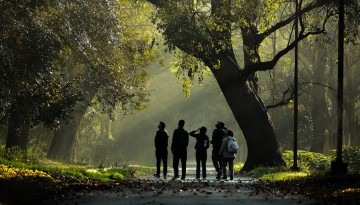
A new study from the Cornell Lab of Ornithology found which kind of nature experiences were associated with a greater sense of well-being during the COVID pandemic.
Dyson professor Suzanne Shu and colleagues found that considering one’s “future self” played a key role in how people decide when to start collecting monthly Social Security benefits. Societal norms regarding retirement, however, do not.
From new approaches for tendon injury treatment to biomass-based construction materials, Cornell Engineering’s inaugural Sprout Awards are funding unique research projects with the potential to grow partnerships across Cornell.
Founded in 1982 and celebrating 40 years, Cornell Academics and Professors Emeriti represents a large community of retired academics and faculty that continue to make significant contributions to university life.
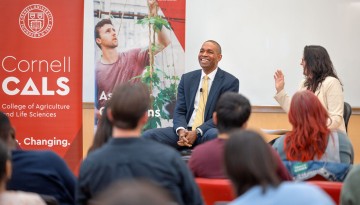
New York Lt. Gov. Antonio Delgado engaged with students and faculty on topics ranging from biological engineering to nutrition to 4-H programs during his first tour of the Ithaca campus on Feb. 2.
A new study finds that nest boxes of commercial eastern common bumblebees (Bombus impatiens) lead to the deaths of wild queens who are attracted to the brightly colored hives.
A summer internship in sustainable agriculture and food systems enables undergrads from Cornell and across the country to work on a USDA-funded project focused on making policy more nutritious and sustainable.