Cornell professor Robert Howarth advised New York state senators last week to downsize the state’s natural gas pipeline system and to repeal laws that easily connect gas to new homes.
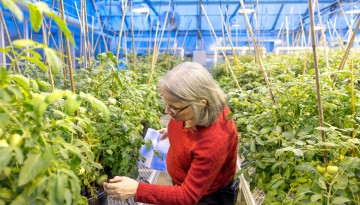
A Cornell researcher has completed a decades-long program to develop new varieties of tomato that naturally resist pests and limit transfer of viral disease by insects.
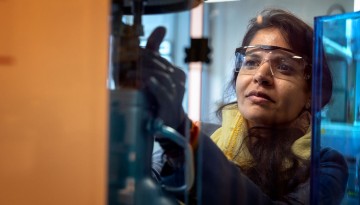
A Cornell engineering professor will play a major role in a new federally funded project to increase the domestic supply of minerals needed to improve and sustain green energy.
Results from the Cornell-led 2022 Collaborative Midterm Survey will be released Friday. The innovative survey of more than 19,000 Americans recorded opinions on a range of public affairs topics. It also will advance the science of survey research.
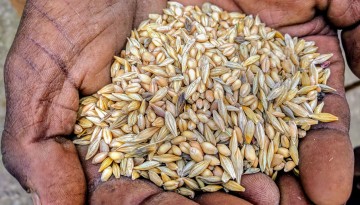
Maslins, or mixtures of grains planted and eaten together, have fed humans for millennia. Now nearly forgotten, they can adapt in real time to unpredictable weather and extreme weather.
Four Cornell Cooperative Extension county offices are leading statewide efforts to establish a network of Regional Clean Energy Hubs as part of Gov. Kathy Hochul’s $52 million initiative to connect local communities with clean energy resources.
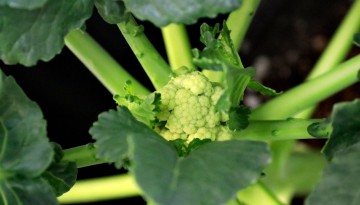
A new study identifies the genetic underpinnings for why broccoli heads become abnormal when it’s hot, providing insight into effects of climate-induced warming for all crops and pointing the way for breeding heat-resistant new varieties.
The funding will support preliminary disease-related research, in the latest in a series of efforts to create new opportunities for interdisciplinary research.
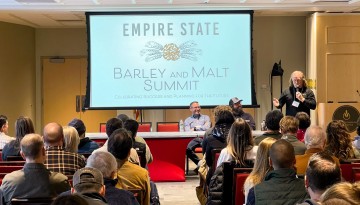
Farmers, brewers, distillers and researchers gathered for the sixth annual Empire State Barley and Malt Summit, to celebrate successes and plan for the future of New York’s growing craft brewery and distillery industries.