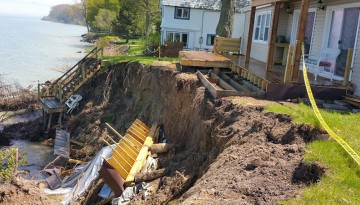
When Art Bloom died a year ago, five of the late geology professor’s colleagues collaborated with his family, local artists and others to finish his book that explains Ithaca and the Finger Lakes landscapes.
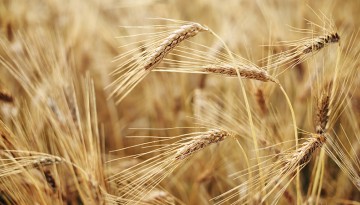
New York state students interested in dairy farming careers will get a boost thanks to a new scholarship program from Chobani and the College of Agriculture and Life Sciences.
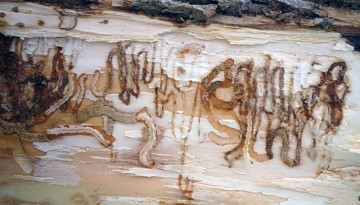
Discovered in Cornell’s Arnot Forest in March, evidence of the invasive emerald ash borer has been found in downtown Ithaca. Within the next several years, it will change the landscape of campus.
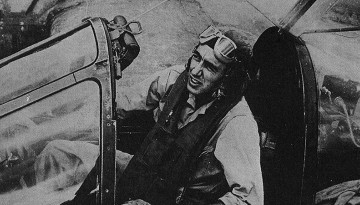
John O'Neill, a World War II fighter pilot from the Class of 1943, was officially made a non-degree alumnus of the College of Agriculture and Life Sciences in a ceremony held during Commencement Weekend.
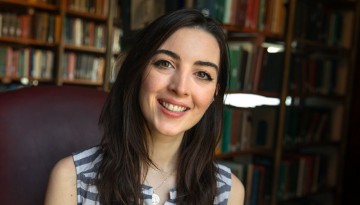
Rebecca Macklin, a 2017-18 Fulbright visiting student researcher from the United Kingdom, spent the academic year at Cornell enhancing her indigenous studies research, taking classes and tutoring Onondaga Nation students.