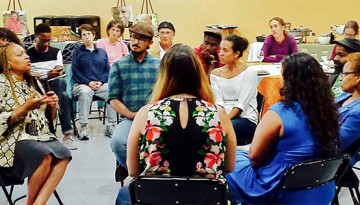
Greenstar and Cornell Cooperative Extension are hosting a gathering and meal to encourage networking among local food providers and others interested in supporting food justice and food security, Jan. 31.
Two female researchers, an epidemiologist and a bacteriologist, both at the College of Veterinary Medicine, have received awards for their cutting-edge research.
Cornell economist Steven Kyle predicted the U.S. economy will continue to cruise at a steady pace of 2 percent to 2.5 percent in 2018. But an end to seven years of growth may be looming, he said.
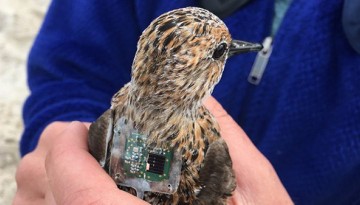
This spring, six undergraduate students will toss away wool socks, surrender winter coats and flee the Northeast’s slushy roads to gauge ocean health along the Hawaiian and Washington state coasts.
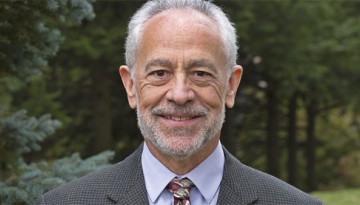
Christopher Dunn, executive director of the Cornell Botanic Gardens, will be the inaugural chair of the new U.S. National Committee of the International Union for the Conservation of Nature.