The Mario Einaudi Center for International Studies has selected 12 Cornell graduate students for the 2018 Einaudi-SSRC Dissertation Proposal Development Program.
Researchers have discovered a way to encourage people to intervene in cyberbullying – and it can be built right into the design of social networking sites.
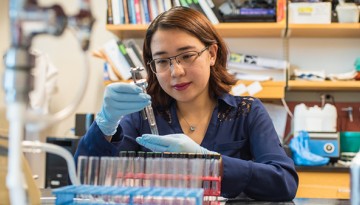
Yi Wen, a fifth-year doctoral student in the field of biochemistry, molecular and cell biology, won the 2018 Harry and Samuel Mann Outstanding Graduate Student Award.
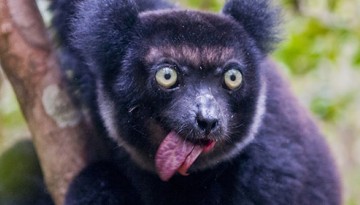
“Beastbox,” a free online game, takes sound clips from real wild animals and allows users to mix and match them into an endless variety of beats, breaks and drops.
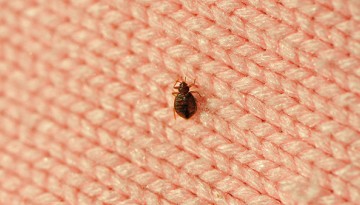
StopPests in Housing, part of the Northeast Integrated Pest Management Center, provides free technical assistance, consultations, training and resources for preventative pest control at federally subsidized housing sites nationwide.
Five undergraduates have captured and prepared about 300 North American spiders for a large exhibit at Toronto's Royal Ontario Museum. The exhibit opens June 16.
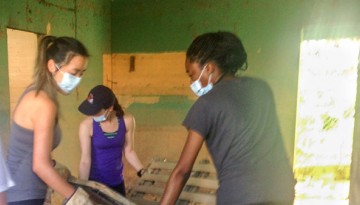
Over winter break in January, 14 Cornell Tradition undergraduates traded creature comforts for work gloves to help clean up homes in Puerto Rico, which is still reeling nearly five months after Hurricane Maria devastated the island.