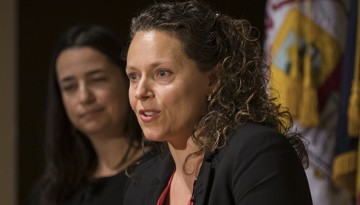
Provost Michael Kotlikoff led a panel of faculty and community partners Oct. 20 to discuss the benefits of collaborative work and community efforts engaging students in addressing local and global public health challenges.
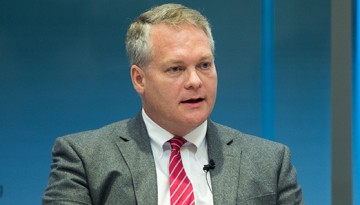
Congress can change U.S. international food-aid programs to save lives without increasing taxpayer costs, Chris Barrett testified before a Senate committee on Oct. 19.
President Martha E. Pollack announced the recipients of Stephen H. Weiss Presidential Fellowships, Weiss Provost Awards and Weiss Junior Fellows Award Oct. 20.
Faculty spotlights: Garrett van Ryzin: Radical thinking to get us from point A to B; Helen Chun: Creating a better consumer experience; Chris Forman: Assessing the impact of information technology; and Elisha Cohn: A humanistic point of view.
Last spring, food science major Maddie Parish ’17 and other members of her team in the capstone course Food Science 4000 helped a food producer solve a critical production challenge: Microbial spoilage was occurring soon after packaging of the ready-to-eat sesame product.