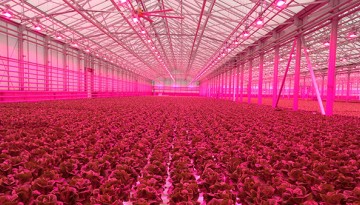
Cornell will lead a project to study how controlled-environment agriculture compares to conventional field agriculture, thanks to a three-year, $2.4 million grant from the National Science Foundation.
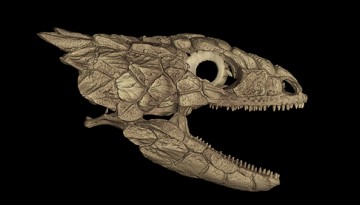
A four-year, $2.5 million National Science Foundation grant will take 3-D digital scans of 20,000 museum vertebrate specimens and make them available to everyone online.
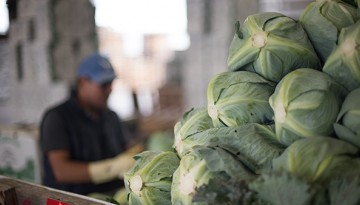
Cornell Cooperative Extension vegetable specialist Maire Ullrich worked with nonprofit Feeding America to put together a shipment of fruits and vegetables to be trucked to parts of Florida or Texas hit hard by recent hurricanes.
Inventive and innovative medium-size cities have overtaken the federal government as engines of economic growth, according to Syracuse, New York, Mayor Stephanie Miner in a keynote talk at the 2017 Community Development Institute Sept. 28.
Assistant professors Ilana Brito, Iwijn de Vlaminck and Michael Sheehan have all been awarded National Institutes of Health Director's New Innovator Awards, worth $1.5 million to help fund five years of research.