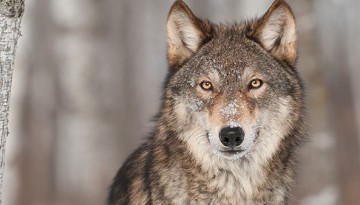
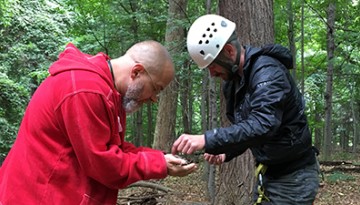
In an effort to settle the debate about the origin of dog domestication, a technique that uses 3-D scans of fossils is helping researchers determine the difference between dogs and wolves.
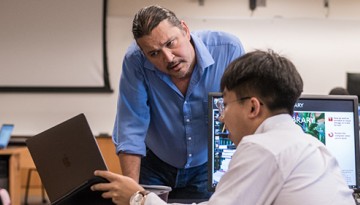
Seven faculty members were honored with awards from the Louis H. Zalaznick Teaching Assistantship program, allowing them to expand their courses or add teaching assistants.
This fall, Mark Sarvary in the Department of Neurobiology and Behavior, launched Introduction to Applied Science Communication: Digital Platforms and Public Engagement.
In a study that has implications for scientific policy and labor markets, new research finds one-third of science and engineering Ph.D. students lose interest in an academic career by the time they graduate.
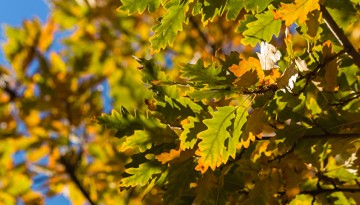
Cornell scientists in partnership with state agencies identified oak wilt, a devastating pathogenic fungus that kills oak trees, in four towns on Long Island, in Brooklyn and in Canandaigua.
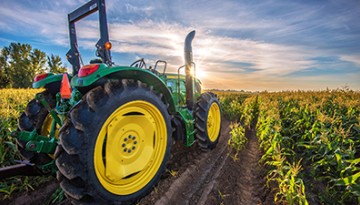
Ag-Analytics, a cloud-based application that provides digital agriculture analytics, has integrated its technology with the John Deere Operations Center, the manufacturer’s online platform. Cornell is the first university to integrate with the Operations Center.
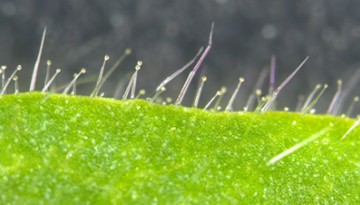
Gaurav Moghe has undertaken characterization of acylsugars, a family of compounds found only in potatoes, tomatoes and peppers, that play an important role in plant self-defense.
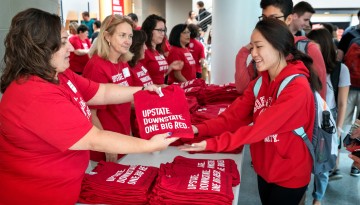
Far above Cayuga’s calm waters, Cornell students, faculty and staff gathered Sept. 13 to celebrate events bounded by the fast-flowing East River: The opening of the Cornell Tech campus on New York City’s Roosevelt Island.