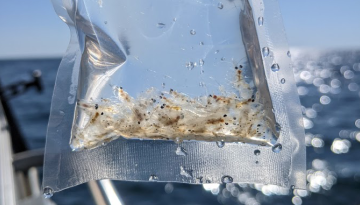
Cornell University’s James Watkins and Kade Keranen are leading a nearly $240,000 study to examine the abundance of mysid, small, shrimp-like crustaceans that are critical links in Lake Ontario’s aquatic food web.
Researchers studying ribosomes, AI and quantum computing are among 13 early-career professors from Cornell who’ve recently been awarded National Science Foundation Faculty Early Career Development Awards.
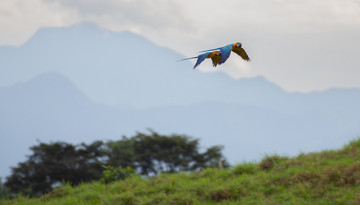
A doctoral candidate and Semlitz Sustainability Fellow and his Colombian partners seek to protect birds and biodiversity in the Amazon via sustainable rubber tree agroforestry.
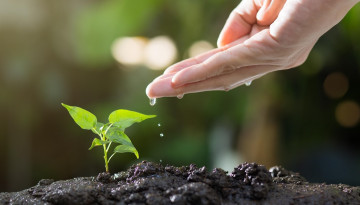
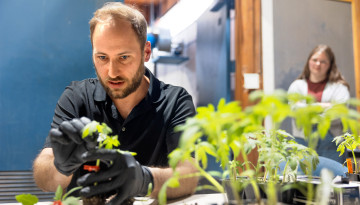
Across 37 counties, Cornell Cooperative Extension master gardeners are growing and evaluating select vegetables to find what grows best in New York state.
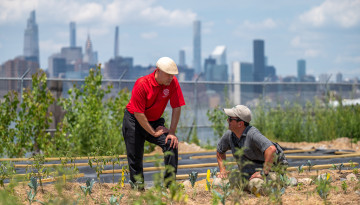
A longtime extension educator and vegetable specialist, Reid will lead Cornell Cooperative Extension's statewide Regional Agriculture Teams, strengthening connections between Cornell research and New York's agricultural communities.
Students and faculty will help the city transform its parks and their care – with new landscaping features and a proposed maintenance plan and governance structure.