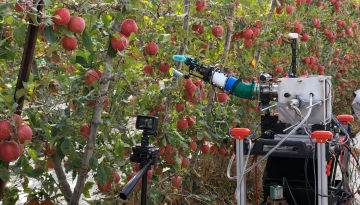
A Cornell-led research project is developing robots that can perform labor-intensive orchard operations; it’s supported by a four-year, $7.5 million grant from the U.S. Department of Agriculture’s Specialty Crop Research Initiative.
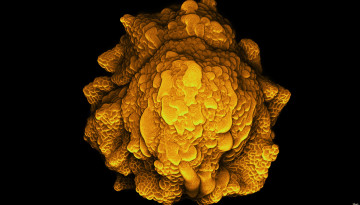
This discovery could help engineer living materials into different forms, such as the custom of growing bridges from roots in India, and breeding kale so it’s smooth instead of crinkly.
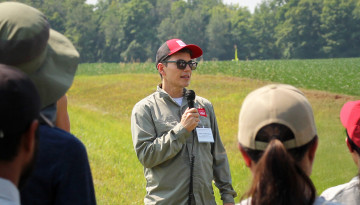
Cornell researcher Louis Longchamps is working to flip the traditional research model by putting farmers in the driver’s seat, with scientists providing support to strengthen agricultural innovation and food security.
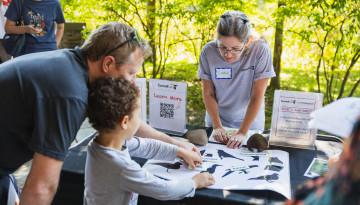
Celebrate birds with a fun-filled day of free workshops, presentations, bird walks, and more at the Cornell Lab of Ornithology on Sept. 12 from 10 a.m to 3 p.m.
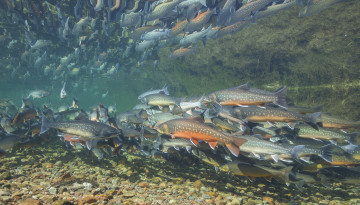
Bipartisan legislation introduced this month by the co-chairs of the U.S. Senate Oceans Caucus relies on environmental DNA techniques pioneered by retired Cornell Atkinson director David Lodge.
From Sept. 10–12, future-oriented scholars from around the United States will convene at the Just Ocean and Coastal Futures Conference at Cornell University to imagine, design, and support reparative frameworks in ocean and coastal studies.
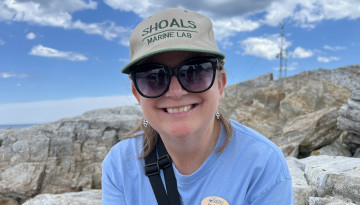
Dr. Sara Morris, the John M. Kingsbury Executive Director of the Shoals Marine Lab, will speak about the wonders of bird migration and what she’s learned from 36 years of studying birds on Appledore Island in Maine, at the 2026 Paul C. Mundinger Distinguished Lectureship on September 9.
Cornell’s To Do the Greatest Good campaign surpassed its goal of raising more than $5 billion and engaging more than 200,000 alumni – achievements that will enhance opportunities for students and accelerate critical faculty research.