In his new book, "The Economics of Biofuel Policies: Impacts on Price Volatility in Grain and Oilseed Markets," Harry de Gorter links biofuel policies to turmoil in world markets.
Marcia Eames-Sheavly '83, a senior lecturer and senior extension associate in the Horticulture Section, shares her passion for botanical illustration. A show of her work opened May 4 at Cornell Plantations.
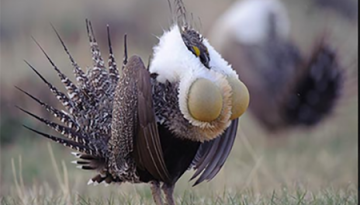
The wildlife documentary, "The Sagebrush Sea" – the first broadcast film produced by the Cornell Lab of Ornithology – will air on PBS Nature May 20 at 8 p.m. EDT.
In studying how airplane noise affects the palate, Cornell food scientists have found sweetness suppressed and umami- the sweet, savory taste of amino acids such as glutamate - enhanced.
Grocery shoppers who first received a sample apple slice purchased 28 percent more fruits and vegetables, according to a study from the College of Agriculture and Life Sciences.
During 2015-16 and 2016-17, Cornell will build upon ongoing diversity initiatives by focusing efforts on "the lived experience of diversity," with an emphasis on engagement.
The Boyce Thompson Institute for Plant Research hosted a Flash Science! speaking competition to give early-career plant scientists experience talking to a general audience May 5.
An Agriculture Research Fund established by New York state vegetable growers is an endowment based at Cornell to support critically needed research in breeding, growing and protecting vegetables.
Examining social movements to Facebook addiction, more than 50 graduating seniors showcased their research prowess at the 2015 Senior Expo for the Hunter R. Rawlings III Cornell Presidential Research Scholars.