In her new book, historian Tamika Nunley explores the personal stories of Black women and girls who struggled against enslavement and the limited justice that was available to them in early Virginia.
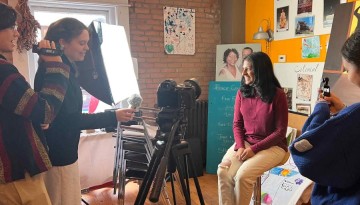
The first-year class of students in the Milstein Program in Technology and Humanity are finishing up their community projects and looking forward to their summer in New York City.
New research from a multidisciplinary team helps to illuminate the mechanisms behind circadian rhythms, offering new hope for dealing with jet lag, insomnia and other sleep disorders.
People who refused to get vaccinated against COVID-19 had low levels of social trust, weak attachments to the rule of law, and were less willing to honor collective commitments to the greater good, according to Cornell research published today.
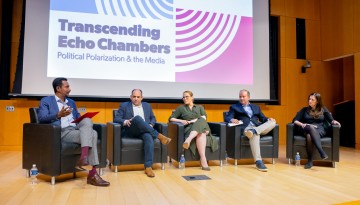
While media outlets have done their part to amplify polarization across the U.S., journalists also have the resources to mend rifts and build community, alumni media professionals and faculty experts said in a panel discussion.
May 2, MacArthur Fellow P. Gabrielle Foreman will give a talk, “Why Didn’t We Know?!: The Forgotten History of the Colored Conventions and 19th-Century Black Political Organizing,” on the history of 19th century Black activism.