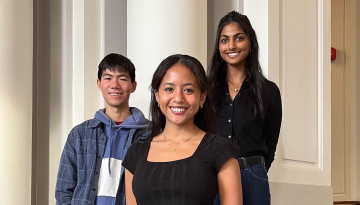
A new study shows that using large language models like ChatGPT boosts paper production, especially for non-native English speakers, but the overall increase in AI-written papers is making it harder to separate the valuable contributions from the AI slop.
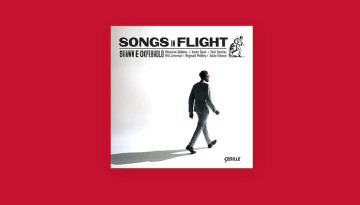
Based on poems by A&S alumna Tsitsi Ella Jaji, M.A. ’06, Ph.D. ’08, the songs by Shawn Okpebholo bring to life individual stories preserved by the Cornell-based Freedom on the Move project.
Now divided between Romania and Ukraine, the region never fit easily among its neighbors, as regimes including the Habsburg Empire and the Soviet Union tried to remake it in their image.
The new method, Semi-Local Density Fingerprints (SLDFs), can predict molecular properties with up to 100 times more accuracy than the current most popular method for modeling molecules and materials.
The new book from anthropology professor Andrew Willford shows how patterns of psycho-social stress combined with modernity’s pressures can influence psychiatric practice.
In a new book, Donald Campbell, Ph.D. ’71, professor emeritus of astronomy, recounts the history of Arecibo from construction to its last days under Cornell’s management in 2011.