The next generation of Earth- and space-based telescopes will be able to hunt distant solar systems for evidence of life on Earth-like exoplanets, thanks to a new spectral field guide.
Rachel Beatty Riedl, an expert in international studies, says Africa is the first place to look for an effective response to the COVID-19 pandemic, given Africa’s success in dealing with the Ebola virus.
Victor Nee, the Frank and Rosa Rhodes Professor of Economic Sociology, is among 276 newly elected members of the American Academy of Arts and Sciences.
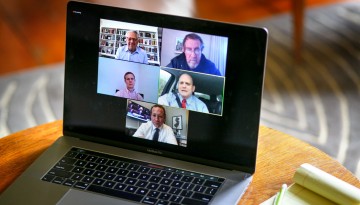
Congressmen Tom Reed and Josh Gottheimer discussed the need for a bipartisan policy response to the COVID-19 pandemic during an April 23 "teletown hall" hosted by the Institute of Politics and Global Affairs.
Peter J. Katzenstein, the Walter S. Carpenter Jr. Professor of International Studies in the College of Arts and Sciences, has been named the recipient of the Skytte Prize in Political Science.
In her new book “Clocking Out: The Machinery of Life in 1960s Italian Cinema,” Karen Pinkus explores themes of labor, automation and society in Italian cinema and what they can tell us about alternatives for living and working in today's world.
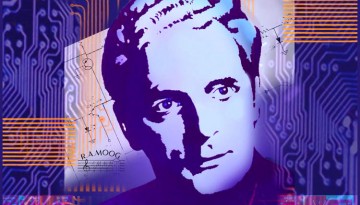
Virtual events and Cornell resources include selections from the Centrally Isolated Film Festival; a Guy Davis concert rebroadcast on WVBR; a local species survey; a training session for undocumented community allies; and an online version of Cornell Library's Robert Moog exhibition.