Cornell thought leaders discussed the balance between public health and economic health, and the role government plays in finding a path forward during COVID-19 in a webinar April 30.
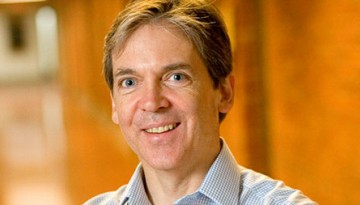
Beloved emeritus professor and scholar David Bathrick, who taught theater arts, German studies and Jewish studies at Cornell for 20 years, died April 30 at his home in Bremen, Germany. He was 84.
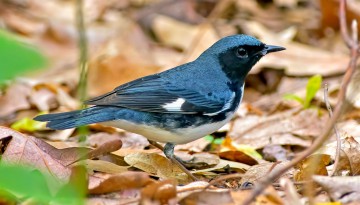
Virtual events and resources at Cornell include original student plays, birding's Big Day, a community-engaged project showcase and a conversation with soprano and educator Dawn Upshaw.
For faculty and students affiliated with the Asian American Studies Program and the Southeast Asia Program, online events and social media campaigns are taking on deeper meaning during the COVID-19 crisis.
Steve Hilgartner, professor of Science and Technology Studies, has received funding from the National Science Foundation and the Cornell Center for Social Sciences, to lead international research on COVID-19 policy.
Student workers at the Einaudi Center for International Studies play important roles in the center's mission, and those jobs have helped them prepare for careers in international relations, academia and other areas.
Molly O’Toole ’09, an immigration and security reporter with the Los Angeles Times, is one of the recipients of the inaugural Pulitzer Prize for audio journalism for her work on episode of “This American Life.”
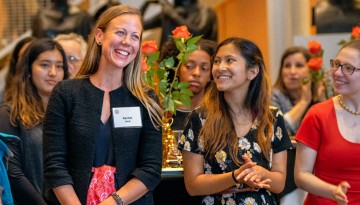
A group of 32 students from three colleges at Cornell will make up the first cohort of Humanities Scholars in a new program that will start in the fall, offered by the College of Arts & Sciences.
Collaborating across disparate disciplines to tackle the grand challenges facing humanity is intrinsic to Cornell’s unique brand of research innovation.