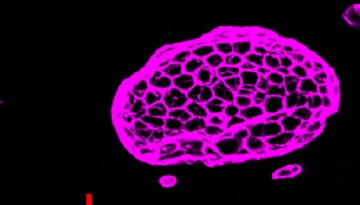
A classic psychedelic was found to activate a cell type in the brain of mice and rats that silences other neighboring neurons, providing insight into how such drugs reduce anxiety.
A new program at Cornell will tackle critical environmental challenges by integrating advanced AI tools with sustainability research across the campus, thanks to a grant from the National Science Foundation’s Research Traineeship Program.
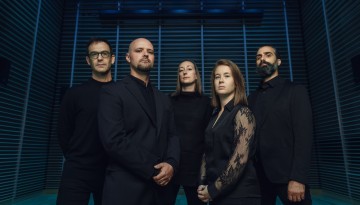
The West Coast's first reed quintet will come to campus Sept. 30 – Oct. 4 as the new Stucky Residency for New Music ensemble, hosted by the Department of Music.
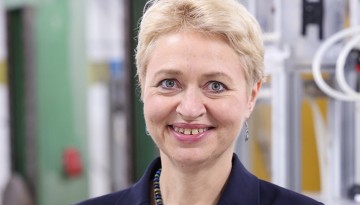
Beate Heinemann, professor at Universität Hamburg and director for particle physics at DESY in Germany, will share the stories of two outstanding women scientists in a public lecture.
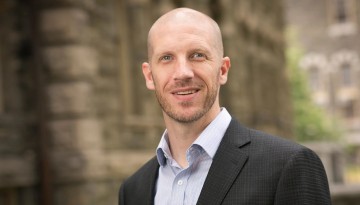
Political scientist Peter Enns – who correctly predicted the winner in 49 states 100 days before the 2020 U.S. presidential election – will offer insights on political forecasting and his current forecast of the 2024 election in an eCornell keynote address on Oct. 1 at 2:30 p.m.
Nori Jacoby, assistant professor of psychology, has been awarded an NSF fellowship for a project to develop algorithms to more effectively harness the intelligence of crowds by improving the quality of collective evaluations
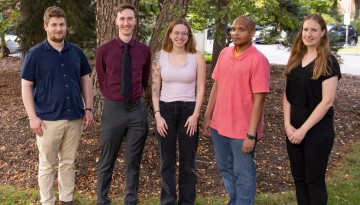
Five postdoctoral scholars were honored with Postdoc Achievement Awards as part of Cornell’s participation in National Postdoc Appreciation Week. The awards recognize excellence in community engagement, leadership and mentoring.