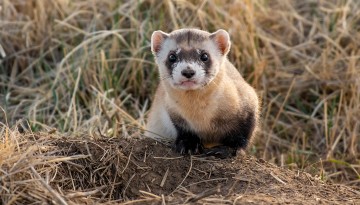
By testing easier-to-study coyotes, researchers from the Cornell Wildlife Health Lab at the College of Veterinary Medicine, in collaboration with the Cheyenne River Sioux tribe, have identified a range of lethal diseases threatening black-footed ferrets – one of the most endangered animals in North America.
Diagnostic tests are key to uncovering if it’s a virus making a pet lethargic, for example, or confirming that a tick found on the family dog carries the bacterium that causes Lyme disease — but should not be the only way to diagnose a case.
Neighborhoods that had populations with predominantly longer commute times to work – from about 40 minutes to an hour – were more likely to become infectious disease hotspots, according to new research.
A Sept. 9 event will introduce students to all of Cornell's vast resources related to entrepreneurship, business creation, venture capital, technology, startups and social enterprises.
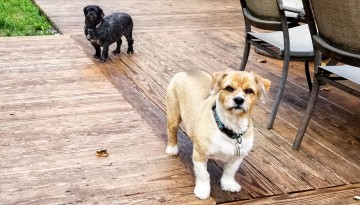
The neurology service at the Cornell University Hospital for Animals helped Tanner and Gidgie, dogs from the same family that both suffered from painful spinal issues.
Dr. Alexander de Lahunta, D.V.M. ’58, Ph.D. ’63, emeritus James Law professor of anatomy, considered the founder of veterinary neurology, died Aug. 17 at his home in Rye, New Hampshire.
The leadership and dynamic accomplishments of Sheila Allen ’76, D.V.M. ’81, have both shaped the veterinary profession and earned her the 2021 Daniel Elmer Salmon Award for Distinguished Alumni Service from the Cornell College of Veterinary Medicine.
Doctoral candidate Karla García-Martínez and Professor of Immunology Cindy Leifer were selected as recipients of the 2021 Howard Hughes Medical Institute (HHMI) Gilliam Graduate Fellowships for Advanced Study.