The College of Veterinary Medicine has developed a new learning module for high school classrooms that encourages students to directly test the effects of e-cigarette vapor on living cells.
Renerva, a medical startup developing an injectable gel to speed the healing of damaged nerves and creating a nerve-graft product, has joined Cornell’s McGovern Center.
Of the approximately 1,500 stories posted by the Cornell Chronicle, research stories about air pollution, engineering and genetics were the four most-read stories of the past 12 months.
More than 200 attendees at Cornell’s Sustainability Leadership Summit heard how New York may be a leader in creating renewable energy and learned about the university’s own sustainability progress.
Maddie’s Shelter Medicine Program at Cornell provided four one-day veterinary wellness clinics in 2019 to pets of low-income residents of Schuyler County, New York, thanks to an Engaged Opportunity Grant from the Office of Engagement Initiatives.
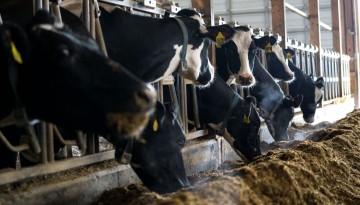
Researchers from Cornell and the University of Wageningen used a social psychology approach to understand how dairy farmers’ views impact how and when they use antibiotics to treat their cows.
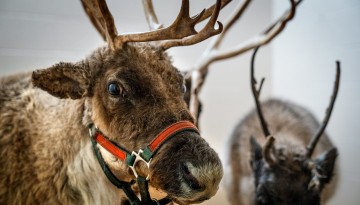
A reindeer mother and daughter are ready for duty this holiday season following cataract surgery in late summer at the Cornell University Equine and Nemo Farm Animal Hospital.
An American white pelican made College of Veterinary Medicine history this fall as the first patient of its species at Cornell’s Janet L. Swanson Wildlife Hospital.