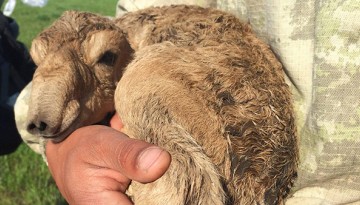
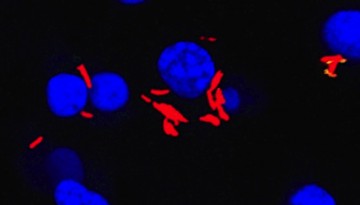
The 2015 sudden death of more than 200,000 saiga antelopes was likely due to environmental factors triggering a deadly bacterium, according to new research from the College of Veterinary Medicine.
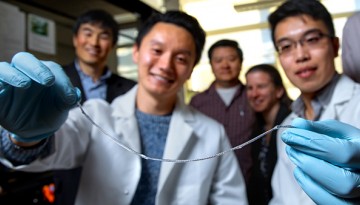
In an example of cross-campus collaboration, a group led by Minglin Ma has developed a unique implant for controlling type 1 diabetes, which affects more than 1 million Americans.
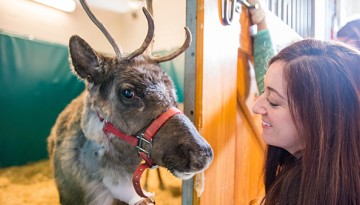
Veterinarians at the Cornell University Equine and Nemo Farm Animal Hospital saved the life of a reindeer, named Little Buddy, with help from his brother, Moose.
President Martha E. Pollack has committed the university to a new multi-institution initiative to make public data pertaining to career outcomes for life sciences doctoral students and postdoctoral researchers.
Avery August, professor of immunology in the College of Veterinary Medicine and incoming vice provost for academic affairs, has been named a Howard Hughes Medical Institute professor.