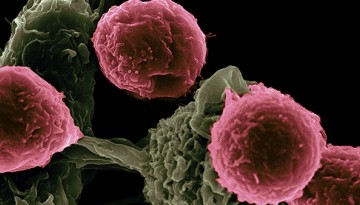
Dynamic Boundaries, a startup that aims to relieve pain and improve mobility for patients suffering from severe osteoarthritis, joined Cornell’s McGovern Center, a business incubator, June 1.
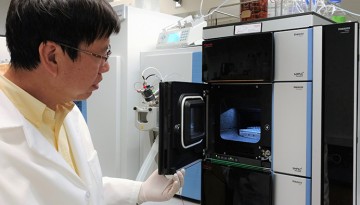
Cornell researchers are benefitting from the launch of the Cornell Institute of Biotechnology’s new Metabolomics core facility, which opened in January.
Cornell University President Martha E. Pollack’s Commencement address and film director Ava DuVernay’s Senior Convocation address will highlight Cornell’s 150th Graduation and Commencement Weekend, May 26-27.
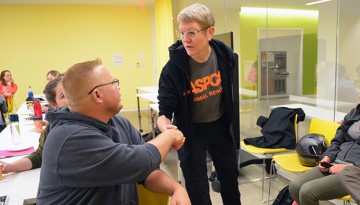
Local animal shelters received a course in disaster preparedness at a College of Veterinary Medicine workshop aimed at safeguarding pets should a crisis strike the area.
Provost Michael Kotlikoff, professor of veterinary medicine, has collaborated with researchers from Germany and the University of Pittsburgh on a novel procedure for correcting heart arrhythmia.