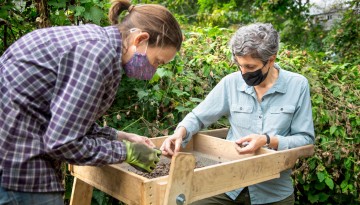
Cornell researchers and students are collaborating with community members to shed light on the role St. James A.M.E. Zion Church played in the abolitionist movement of the 1800s.
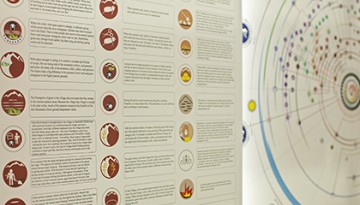
Art, sculpture, photos, and prints bring research on climate adaptation and resiliency to life at Cornell Botanic Gardens' Nevin Welcome Center. The exhibits illustrate the value and impact of a collaborative project with faculty and indigenous farmers, fishers, herders, hunters, and orchardists across the globe.
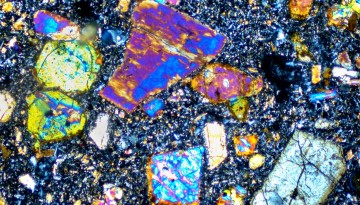
A new study co-led by a Cornell researcher has identified serpentinite – a green rock that looks a bit like snakeskin and holds fluids in its mineral structures – as a key driver of the oxygen recycling process.
Jack Blakely, a professor emeritus of materials science and engineering who made several important discoveries in the field of surface science, died Oct. 29 in Ithaca. He was 85.
From mindfulness to mRNA vaccines to the music business, the 250 attendees at this year’s Eclectic Convergence conference held at the Verizon Center on the Cornell Tech campus Nov. 12 got a front row seat into the many facets of life as an entrepreneur.
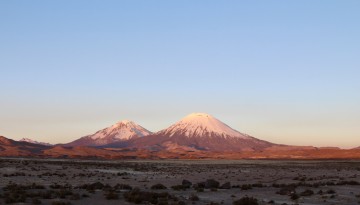
New research co-authored by Esteban Gazel, associate professor of earth and atmospheric sciences, connects the geochemical fingerprint of the Galápagos plume with mantle materials 900 miles away, underneath Panama and Costa Rica.
The Cornell Geopaths Geoscience Learning Ecosystem will help students explore opportunities for geoscience graduate study, giving them exposure to socially relevant careers in atmospheric and geological sciences.
During the COP26 climate change conference, 45 Cornell undergraduate and graduate students plugged in from Ithaca to hear international negotiations first-hand and environmental history.