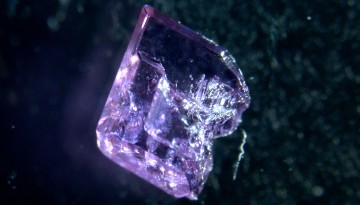
An engineered bacteria may solve challenges of extracting rare earth elements from ore, which are vital for modern life but refining them is costly, environmentally harmful and mostly occurs abroad.
The Cornell Center for Social Sciences grant program, which supports social science research by Cornell faculty members and conferences that directly benefit Cornell faculty and students, has awarded $145,136 for 15 proposals for fall 2021.
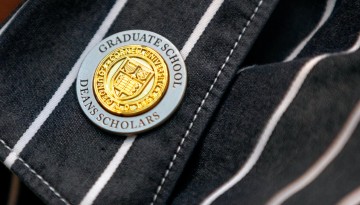
The Graduate School welcomed over 80 new Dean’s Scholars into the community of over 300 current Dean’s Scholars at Cornell. The Dean’s Scholars program honors recipients of competitive diversity-focused fellowships.
By summer 2022, Cornell plans to drill a 10,000-foot hole to verify whether conditions underground will allow Earth Source Heat to warm campus and reduce the university’s carbon footprint.
As scientists continue to catalog genomic variations in everything from plants to people, today’s computers are struggling to provide the power needed to find the secrets hidden within mass amounts of genomic data.
First-generation students bring a unique perspective to their educational experience at Cornell, and the university is committed to fostering opportunities for them.
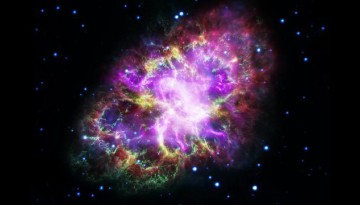
The newly released “Pathways to Discovery in Astronomy and Astrophysics for the 2020s,” identifies scientific priorities, opportunities and funding recommendations for the next 10 years of astronomy and astrophysics.
A new Cornell-led study identifies several keys to sustainably managing the influx, with an emphasis on battery chemistry, second-life applications and recycling.
Working with the Armenian delegation at COP26, Allison Chatrchyan aims to shape U.N. agriculture policy to reduce greenhouse gas emissions and increase carbon sequestration.