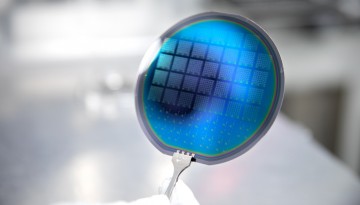
The Cornell NanoScale Science and Technology Facility enables scientists and engineers from academia and industry to conduct micro- and nanoscale research with state-of-the-art technology and expertise from its technical staff. But perhaps the facility’s greatest breakthrough is helping launch startup companies in New York state.
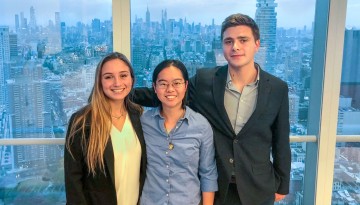
Quarantine Buddy is a website founded by a trio of undergrads that helps people connect with others and combat loneliness and isolation. More than 600 people have already signed up and some of the matches are unusual.
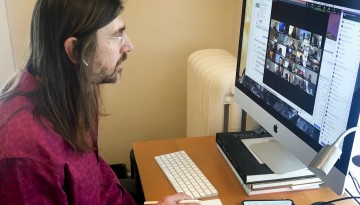
On the first day of virtual teaching for the Ithaca campus, Cornell instructors led 6,600 Zoom meetings with a total of 89,000 participants. Three weeks of coordinated planning and support led to a smooth start for all-online instruction.
Cornell Atkinson is calling for proposals for faculty research related to the global COVID-19 pandemic. The center’s Rapid Response Fund will award seed grants of up to $10,000 for projects.
Cornell has a long-standing commitment to help lead the fight against climate change, and on April 2 it became a founding member of the International Universities Climate Alliance.
Many Cornell faculty members use their own experience as first-generation college students to mentor their current first-gen students. Cornell offers numerous resources to empower first-gen students to thrive at college.
A biomanufacturing company spun out of Cornell research is seeking to rapidly translate an antibody therapy against COVID-19 by using cell-free biotechnology based on glycoengineered bacteria.
Cornell researchers have developed an automated system that uses machine learning, data analysis and human feedback to automatically verify statistical claims about the new coronavirus.