Engineering professor Lynden Archer and graduate student Wajdi Al Sadat have devised an electrochemical cell that captures and converts carbon dioxide while generating electrical power.
Cornell biological engineers have deciphered the cellular strategy to make the biofuel ethanol, using an anaerobic microbe feeding on carbon monoxide – a common industrial waste gas.
A top engineer from the city of Los Angeles visited Cornell July 20-22 as researchers tested a new earthquake-resilient pipeline designed to better protect southern California's water utility.
Immobilizing negatively charged ions in the polymer-like separators of rechargeable lithium batteries is shown to result in stable electrodeposition, even at relatively high current densities.
Cornell researchers have helped develop a recellularized human colon model that could be used to track the pathogenesis of colon cancer and possibly gain insight into its spread to other organs.
Three pairs of early career scientists have been named the inaugural Mong Family Foundation Fellows in Neurotech. They will work jointly under the mentorship of faculty across Cornell to advance brain technologies.
Single-strand DNA sequencing method used for analyzing ancient remains applied by Cornell researchers to sequencing of cell-free DNA taken from plasma of transplant patients, resulting in greater yield of ultrashort cfDNA.
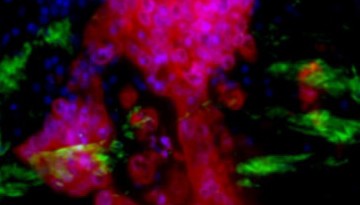
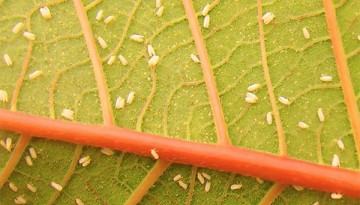
Uncovering the details of a 100 million-year-old symbiosis between bacteria and whiteflies opens the door for controlling an insect pest that is rated one of the top 10 invasive species on the planet.