A simple model that simultaneously simulates swarming behaviors and synchronized timing takes a step toward engineering microrobots and furthering our understanding of such phenomena in biology.
A yearslong effort to launch Cornell-made satellite technology into a neighboring solar system is making a terrestrial stop at the Intrepid Sea, Air and Space Museum in New York City with a new exhibit: “Postcards from Earth: Holograms on an Interstellar Journey.”
Researchers studying statistics applications in systems biology and next-generation wireless technology are among the nine Cornell faculty members who’ve received National Science Foundation Faculty Early Career Development Awards.
Cornell students heading to Vanderbilt University for the Clinton Global Initiative University 2023 Annual Meeting will work on solutions for challenges facing their campuses, communities and the world.
An interdisciplinary collaboration used a materials science approach to “fingerprint” calcium mineral deposits that reveal pathological clues to the progression of breast cancer and potentially other diseases.
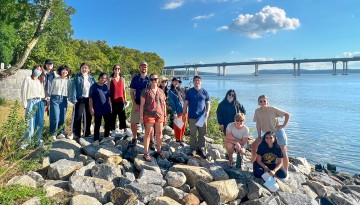
As sea levels rise over the next decades for low-lying Hudson River towns, Cornell landscape architecture students offered ideas for coping with climate change and embracing the water.
Assistant professor Amal El-Ghazaly received an NSF CAREER Award for research that could ultimately make next-generation wireless systems more accessible worldwide.
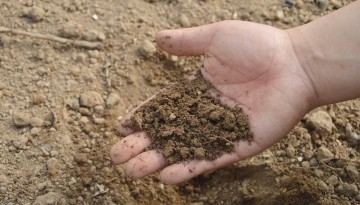
Assistant professor Matthew Reid received an NSF CAREER Award to research how carbon can be transformed in the environment to create fuel for nitrogen-consuming bacteria, ultimately reducing nutrient pollution.