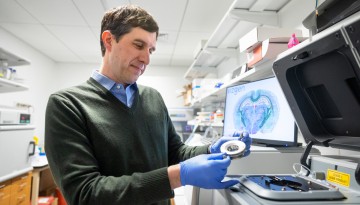
A Cornell multidisciplinary research center that studies chronic fatigue syndrome has received a five-year, $9.5 million grant from the National Institutes of Health – funding that will enable experts to continue work on the mysterious and debilitating condition.
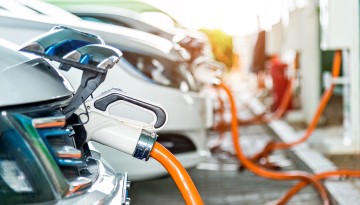
As automobile electrification speeds up, the world faces a need for critical metals to make these vehicles possible, with high demand setting off economic snags and supply-chain hitches.
For day two of Chip Camp, Liverpool Central School District students came to the university to visit the Cornell NanoScale Science and Technology Facility for a crash course in the science of the very small.
Eight doctoral candidates and two postdocs were inducted into the Cornell Chapter of the Bouchet Graduate Honor Society, which recognizes scholarly achievement and promotes diversity in doctoral education.
Researchers have derived a formula that predicts the effects of environmental noise on quantum information – an advancement crucial for designing and building quantum computers capable of working in an imperfect world.
To manage atmospheric carbon dioxide, Cornell scientists have dusted off an archaic – now 120 years old – electrochemical equation. Applying it may thwart the consequences of global warming.
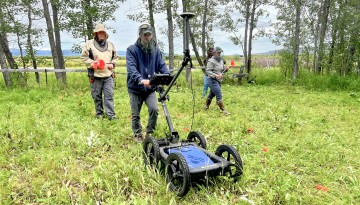
A Cornell research scientist used ground-penetrating radar and AI modeling to locate the communal graves of approximately 93 victims of the Spanish influenza at Pilgrim Hot Springs in Alaska.
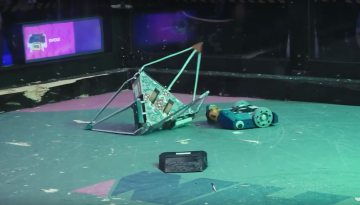
After battling three robots in the Norwalk Havoc Robot League’s March of the Bots competition, Cornell Combat Robotics looks to make upgrades with a $10,000 grant.