First-year and transfer students gathered Aug. 25 at Schoellkopf Field for New Student Convocation, where they were encouraged to pursue their ambitions while upholding the shared values of the community.
The committee of faculty members, students and staff is in the process of reviewing the university’s interim expressive activity policy and will recommend a final policy early in the fall semester.
Paths of the 3,574 students in the incoming class - including farmers, artists, inventors, entrepreneurs, athletes and altruists - all converge in Ithaca this week.
The program in the College of Arts & Sciences provides undergraduate students with summer opportunities to conduct research with and be mentored by faculty from across the college.
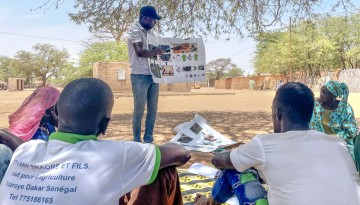
Cornell and global researchers are finding ways to control disease-carrying aquatic plants in Senegal by turning the flora into inexpensive compost or livestock feed – and helping the economy.
Alistair Hayden brings his West Coast experience in wildfires and earthquakes to help New York communities maintain health and become more disaster resilient in the face of climate change.