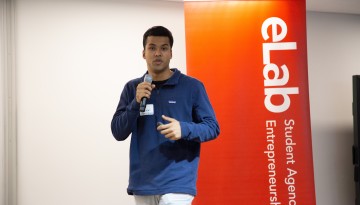
From Ken Roberts' recent research in Ecuador and evidence ripped from headlines worldwide, when political parties stoke partisan conflicts – often by contesting formal state institutions, like systems for managing elections – actual democratic capacity may take a hit as public opinion polarizes.
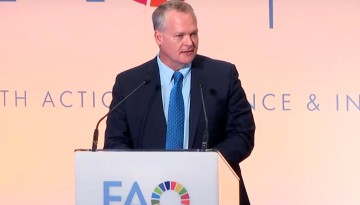
Ideas that sprang from a pre-pandemic panel discussion at Cornell now inform a United Nations initiative aimed to meet looming global food needs in a healthy, equitable and sustainable way.
Brooks School students in a hands-on infrastructure class have developed a solar power policy proposal to combat Puerto Rico's persistent power outages.
Taxes on elites earmarked for public safety have provided windows of opportunity in Latin America and a blueprint for state-building efforts across the developing world, Gustavo Flores-Macías argues in a new book.
The confusing response to COVID-19 in the U.S. resulted from decisions by President Donald Trump and his allies to politicize the pandemic by associating it with his own fate in office, according to a new book by a Cornell author.
New research finds a generation of federal school reform hasn’t addressed the primary drivers of racial gaps in achievement and attainment: economic inequality and segregated schools.
Reginald M. Ballantyne III, MBA ’67 is a prominent health care industry leader and longtime supporter of Cornell programs. He has endowed a scholarship that is the largest gift in the history of the Sloan Program in Health Administration in the Cornell Jeb E. Brooks School of Public Policy.