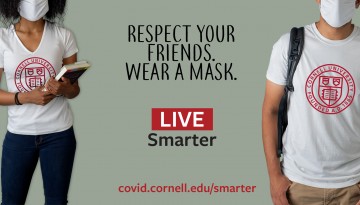
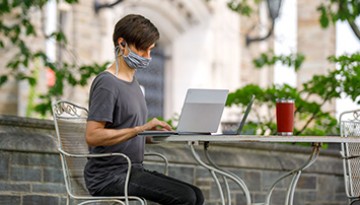
The campaign will reinforce the behaviors returning students, faculty and staff must practice to help prevent spread of COVID-19 this fall, including wearing face coverings, physical distancing and good hand hygiene.
As a consequence of missing data on tests for COVID-19 infection and imperfect accuracy of tests, reported rates of cumulative population infection are lower than actual rates of infection.
The Cornell Student Behavioral Compact requires all students to abide by strict public health guidelines and participate in mandatory testing to help protect the campus and Tompkins County communities during the pandemic.
In a message to students on the Ithaca campus, Vice President Ryan Lombardi outlined the components in the new compact, which they will complete before they can enroll in classes.
In a message to the Cornell and local communities, President Martha E. Pollack said the decision to reactivate campus was driven by the “responsibility to safeguard the health and well-being of not only our students, but of our entire community.”
Provost Michael Kotlikoff, Vice Provost Gary Koretzky and Dean Lorin Warnick gave an update on the ongoing COVID-19 testing program on the Ithaca campus.
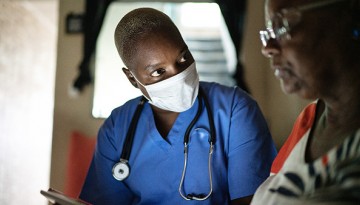
Home health care workers in New York City faced increased risks to their physical, mental and financial well-being while providing essential care to patients early in the COVID-19 pandemic, according to researchers.
As planning for a fall residential college experience on the Ithaca continues, Cornell has made changes to plans and deadlines given the growing number of students affected by the New York state quarantine mandate.
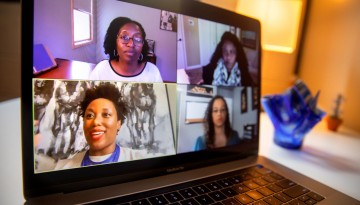
“Systemic Racism and Health Equity,” a webinar hosted July 23 by the Cornell Center for Health Equity, featured insights from three expert panelists and moderator Jamila Michener, associate professor of government and center co-director.