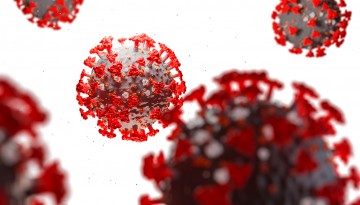
A biomanufacturing company spun out of Cornell research is seeking to rapidly translate an antibody therapy against COVID-19 by using cell-free biotechnology based on glycoengineered bacteria.
Cornell researchers have developed an automated system that uses machine learning, data analysis and human feedback to automatically verify statistical claims about the new coronavirus.
To better predict volcanic activity, Cornell geologists have proposed a new system to discern the stages of a volcano’s unrest – as seen from perceptive satellites.
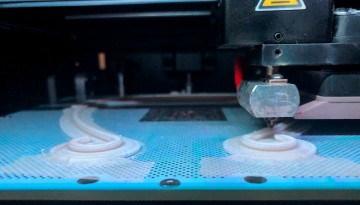
Students, faculty, staff, alumni and community members are working together around the clock to 3D print protective visors for medical workers at Weill Cornell Medicine and local hospitals.
Cornell astronomers have created five models representing key points from our planet’s evolution to use as spectral templates in the hunt for Earth-like planets.
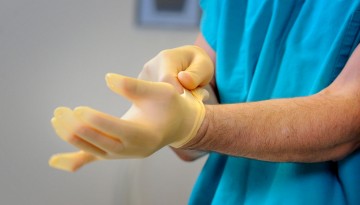
As hospitals across the country try to manage a surge in coronavirus patients while also facing a global shortage in the protective gear needed to treat them, the Cornell community has banded together to donate crucial medical supplies to local health care providers.
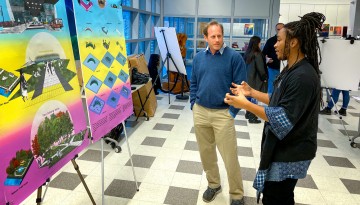
Cornell graduate students studying landscape architecture examined Ossining, New York – a town on the rising Hudson River last fall, and presented ideas for climate-change adaptation.
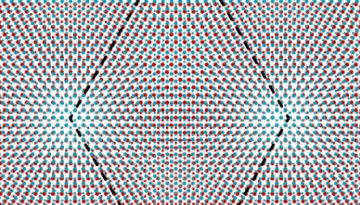
A Cornell-led collaboration has created a model simulator from overlapping ultrathin monolayers and have used it to map a longstanding conundrum in physics.