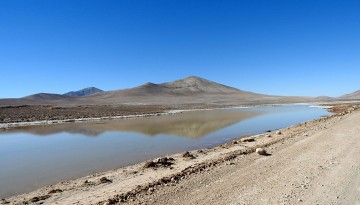
When rains fell on the arid Atacama Desert, it was reasonable to expect floral blooms to follow. Instead, the water brought death, according to an international team of planetary astrobiologists.
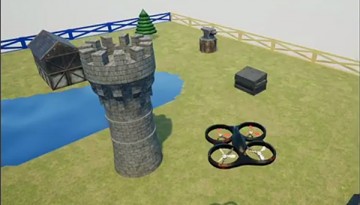
To help robots understand human language when navigating, researchers divided their task into two separate stages: first, interpreting the language in a command and mapping out a path; and then executing the trip.
Climate change is impacting the Caribbean, with millions facing increasing food insecurity and decreasing freshwater availability as droughts become more likely across the region.
Eight faculty members have received Stephen H. Weiss Awards for excellence in their teaching of undergraduate students and contributions to undergraduate education.
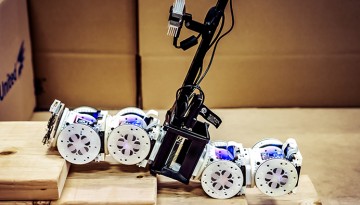
A Cornell-led team has developed modular robots that can perceive their surroundings, make decisions and autonomously assume different shapes in order to perform various tasks.
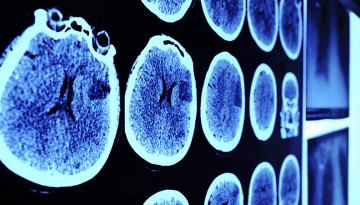
World experts in neurodegenerative diseases gathered at Weill Cornell Medicine Sept. 25 to present the latest discoveries in the study and treatment of Alzheimer's disease.
Cross-campus gathering will focus on the biggest challenges facing the world, and help determine a theme on which the university will focus in the 2019-2020 academic year.