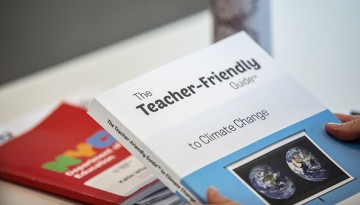
The Paleontological Research Institution and the university’s Sea Grant program raising funds to bring climate change science to every U.S. high school.
Machine learning models, which use data to help computers learn for themselves, are vulnerable to privacy leaks and malicious attacks, Cornell Tech researchers have found.
Twelve high school students from as far away as Romania and Honduras took part in the Life Changing Summer program this year, supported by Entrepreneurship at Cornell and run by Life Changing Labs.
A research group led by Andrej Singer, assistant professor of materials science and engineering, has won a grant from the Department of Energy for research aimed at creating new quantum states of matter.
New research from Cornell's Collective Embodied Intelligence Lab examines how popcorn’s unique qualities can power inexpensive robotic devices that grip, expand or change rigidity.
High school students explored the field of digital intelligence through the CATALYST Academy, a weeklong workshop aimed at inspiring minority students to pursue careers in engineering.
Nine projects were awarded Center for Advanced Technology grants in 2018-2019. The grants are given to faculty members in life sciences fields who partner with a New York state industry for research and development.
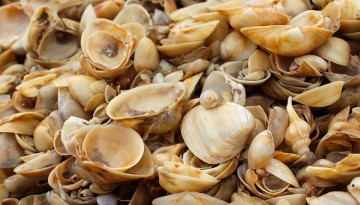
Cornell and Paleontological Research Institution scientists dug into the Colorado River's estuary mudflats to learn how upstream dams affect downstream mollusks.