Online gift-giving is spreading in social networks and causing people to give more gifts – online and in person – according to a new study led by René Kizilcec, Cornell assistant professor of information science.
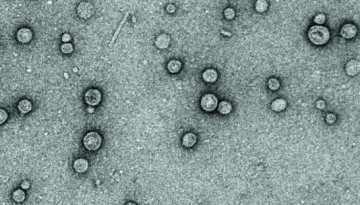
The labs of Matt DeLisa and Dave Putnam has teamed with a group from Harvard to work on a vaccine delivery system based on DeLisa's versatile outer membrane vesicles.
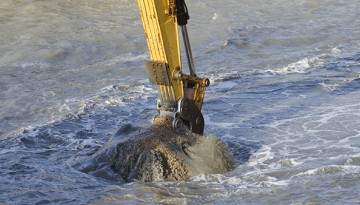
Landscape Architecture’s Brian Davis and Sean Burkholder, University at Buffalo, received a $1.6 million grant from the Great Lakes Protection Fund for creating ecologic gold from shipping port sediment.
The color of money may be the best tint for keeping the world from warming was a key message at the Cornell Business Impact Symposium, “Unleashing the Hidden Power of Sustainability,” on March 10.
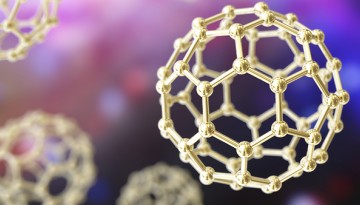
A collaboration of two Cornell research groups has proposed a novel method for producing groups of same-sized nanoparticles, known as 'magic-sized clusters,' which have applications in optical memory storage and lighting.
Assistant professor Nicole Benedek and postdoc Guru Khalsa are working to perfect a method for changing the properties of a material by zapping it with a beam of laser light.
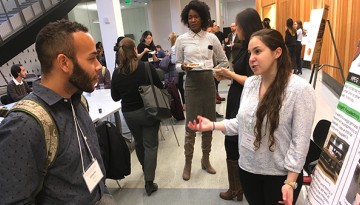
A new initiative aims to increase participation rates and enhance the success of under-represented ethnic minorities and students who are deaf or hard of hearing in biological and biomedical graduate fields at Cornell.
Cornell University scientists are beginning to unravel the complicated connections between viruses, the environment and wasting diseases among sea stars in the waters of the Pacific Northwest.
Sustained climate warming will drive the ocean’s fishery yields into steep decline 200 years from now and that trend could last at least a millennium, said scientists from Cornell and the University of California, Irvine.