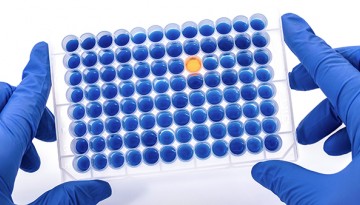
For the first time, Cornell researchers report they have identified biological markers of chronic fatigue syndrome in gut bacteria and inflammatory microbial agents in the blood.
Rohit Verma highlighted the work of the Cornell Institute for Healthy Futures during a Reunion Weekend forum June 11 hosted by the Classes of ’71 and ’76.
Cornell's new Writing Groups Program is composed of peers who help motivate, support and advise domestic and international graduate students and postdocs on their writing.
Six doctoral students in the field of government presented papers and met fellow Ph.D. students and faculty interested in global security at a workshop May 23-25 in Sweden.
On May 16, the fifth annual Classroom Research and Teaching Symposium brought together graduate students and faculty who apply their research skills to develop more effective teaching practices.
Antigen-coated membranes on the surface of E. coli bacteria cells serve as vaccine vehicles that were proven effective against a highly deadly pathogen, a Cornell-led research group has shown.