The McNair Scholars Program, designed to increase the attainment of Ph.D.s among first generation, low-income and underrepresented students, inducted 16 undergraduates April 9.
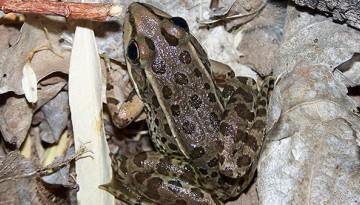
Some populations of frogs are rapidly adapting to a fungal pathogen that has decimated many populations for close to half a century and causes the disease chytridiomycosis, according to a new study.
Programs for graduate students offered by the Cornell branch of the Center for the Integration of Research, Teaching and Learning develop better teachers, mentors and scholars.
Engaged Cornell has awarded its first Engaged Graduate Student Grants to 10 doctoral students, who are working with community and commercial partners on research projects for their dissertations.
A recent study by two Cornell associate professors finds that the greatest decreases in pollution levels over the last three decades have been enjoyed by high-income areas.
To encourage prospective students and ease the transition for new graduate students, the Graduate School offers a number of recruitment programs that provide a roadmap for success.
A Cornell multi-site research team has developed a chemical compound that shows promise as a oncoprotein inhibitor with broad anti-cancer activity and little effect on non-cancerous cells.