A Cornell-led team has used transdisciplinary systems modeling to calculate the future health benefits of vehicle electrification, driverless cars and ride-sharing in the United States.
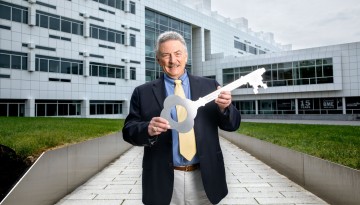
When Lou Walcer ’74 stepped into the new business incubator in Weill Hall 10 years ago, he saw opportunity. Now, the center has enjoyed a decade of success.
New research from NewYork-Presbyterian and Weill Cornell Medicine identified economic and social conditions impacting individual and group differences in health status, known as social determinants of health.
The study suggests male Aedes aegypti mosquitoes make trade-offs between investing energy towards immunity or investing it on traits that impact mating and fitness.
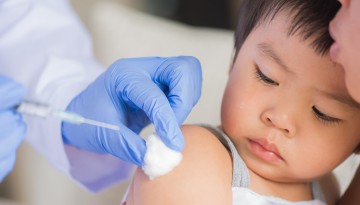
A two-year, $200,000 grant from the USDA and the Extension Foundation to Cornell researchers aims to help promote vaccine confidence and uptake in vulnerable communities in eight New York counties, both upstate and downstate.
Building on a legacy of groundbreaking advances in medicine and science, Weill Cornell Medicine today launched a $1.5 billion campaign that will harness emerging biomedical innovations to bring exemplary care to patients and create enduring change in medicine.
A Cornell-led collaboration has been awarded a five-year, $3.6 million grant from the National Institutes of Health to explore the ways that the gut microbiome – that mass of microorganisms inside us all – impacts bone quality.